Regression-based Monte Carlo Integration
Comparison to Crespo et al [2021]
Comparison with Crespo et al [2021] (Primary-Space Adaptive Control Variates using Piecewise-Polynomial Approximation) method using the independ pixels algorithm. As recomamded in the paper, 30% of the sample budget is used to construct the control variate function and the remaining budget is used to evaluate the residual function. For our method we used polynomial basis of order 2. The different results are a direct illumination rendering corresponding to a dimension 2 integration.
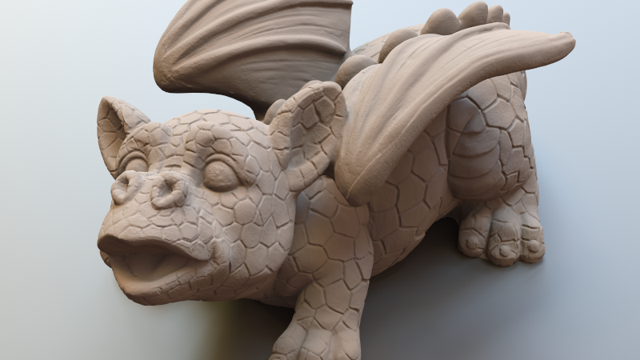
Dragon
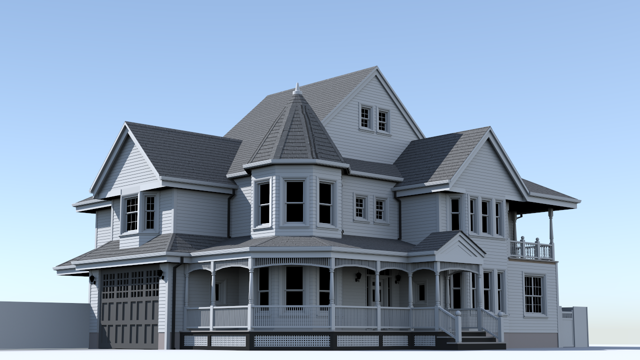
House
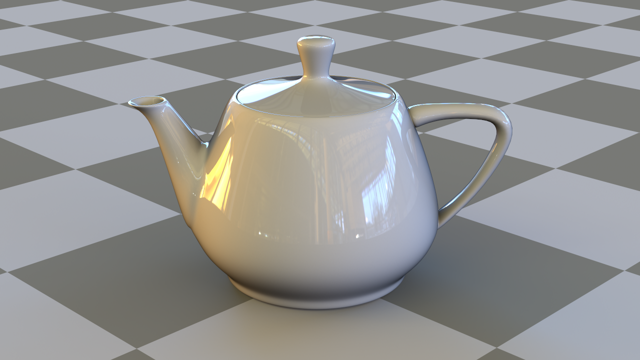
Teapot
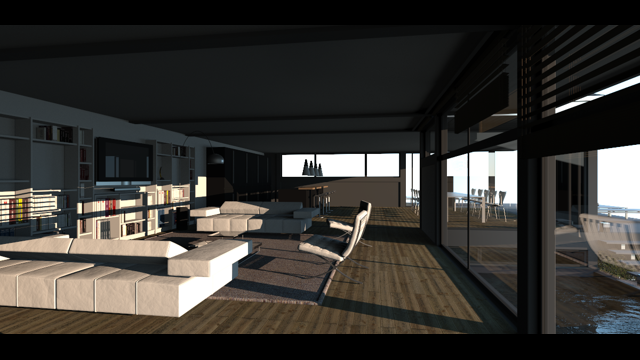
Villa-daylight
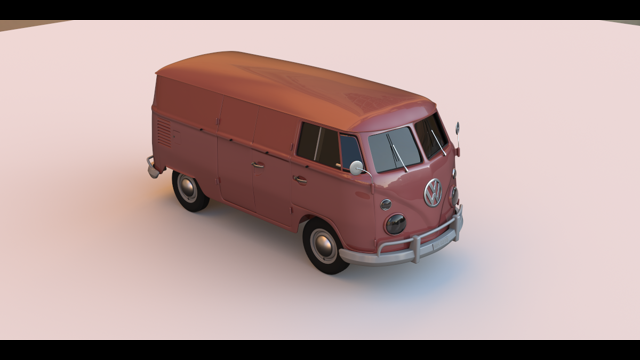
VW-Van
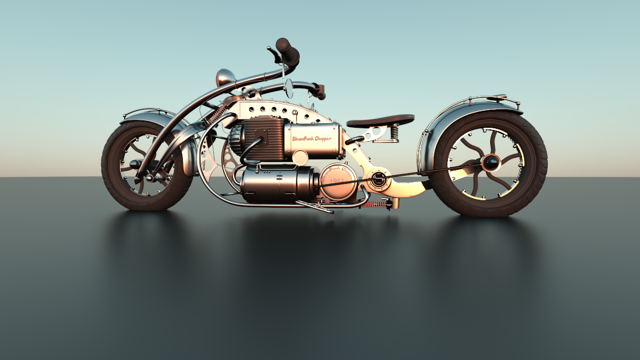
Chopper titan motorbike
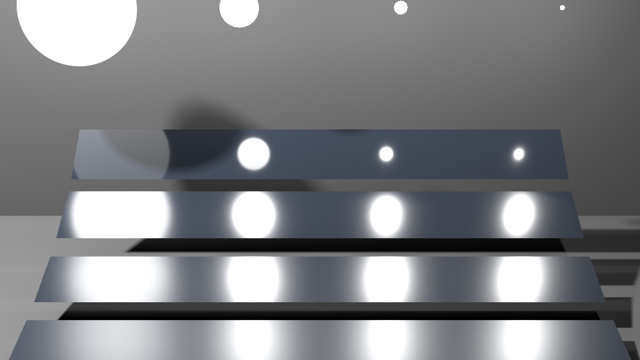
Multiple importance sampling experiments
Comparison of two different MIS weights with and without the combination with our method : the balance heuristic Veach [1997](Robust Monte Carlo Methods for Light Transport Simulation}) and the optimal weights Kondapaneni et al [2019](Optimal Multiple Importance Sampling). The MIS weights are used to combine the BRDF and the light sampling.For our method we used an order 2 polynomial basis. The different results are a direct illumination rendering corresponding to a dimension 3 integration.
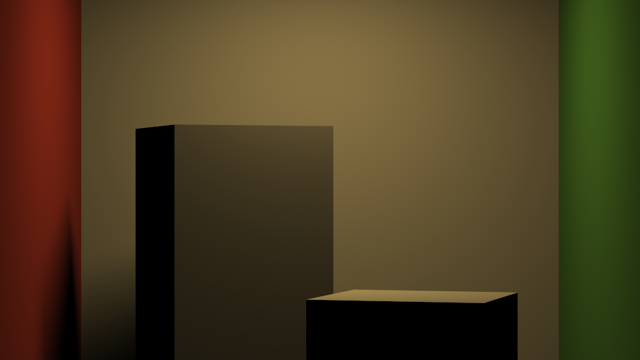
Cornel Box
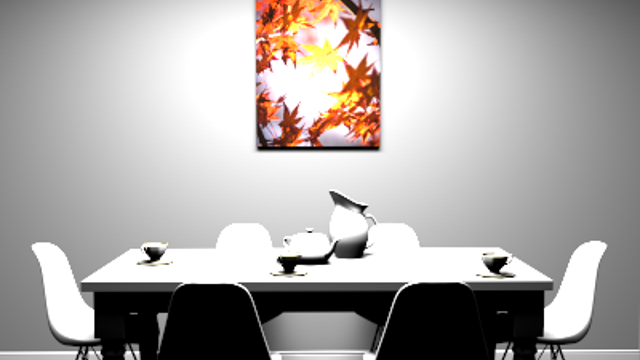
Dining-room

Dragon
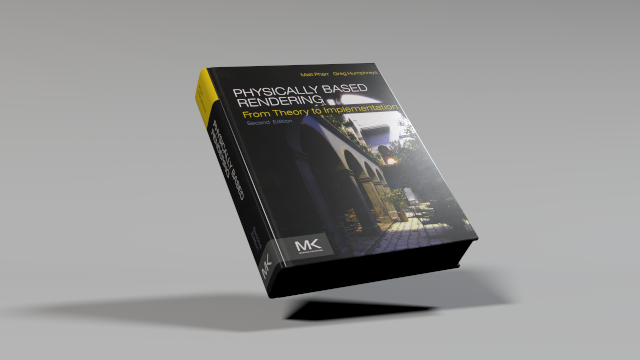
Pbrt book
High dimension examples
Examples of path tracing rendering with 3 bounces of light. This correspond to a 15 dimension problem with our renderer. We are comapring Monte Carlo estimator with ours using polynomials of order 1 and 2.
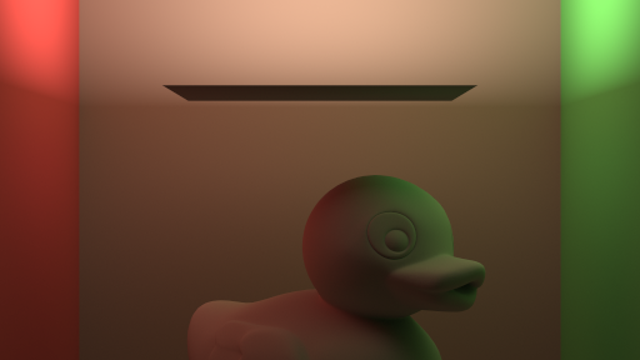
Duck cornell
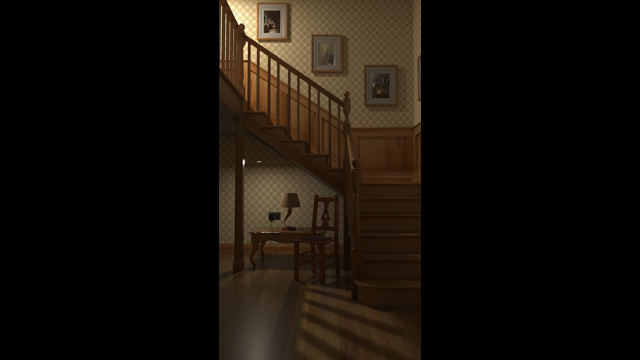
Staircase
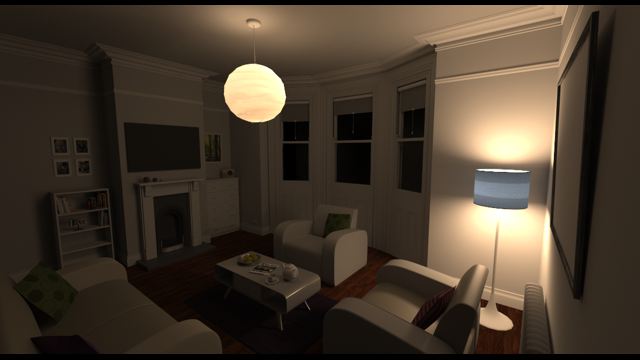
whiteroom night
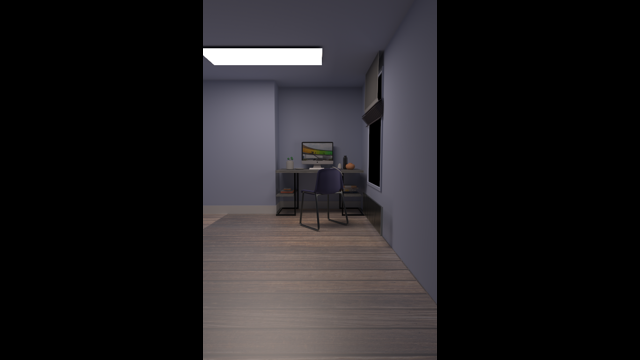
Working desk
Multiple basis comparison
Comparison of our method using different basis of function (polynomial, steps, multiple gaussians, sines, ...). All the basis are composed of the same number of parameters (8) except the first order polynomial.The different results are a direct illumination rendering corresponding to a dimension 3 integration.
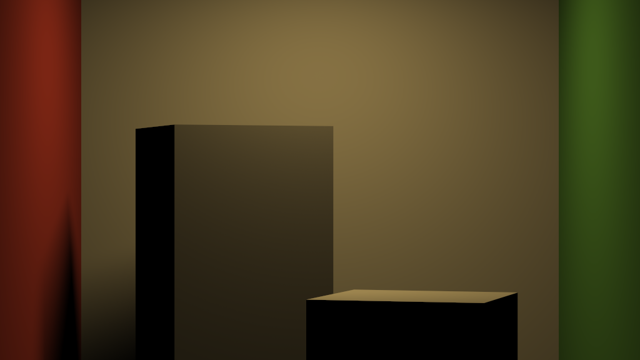
Cornel Box

Dining-room

Dragon
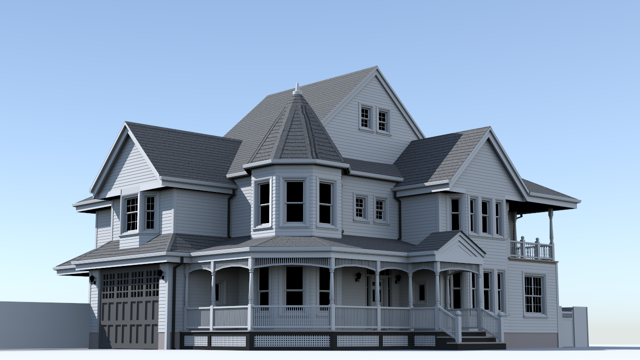
House
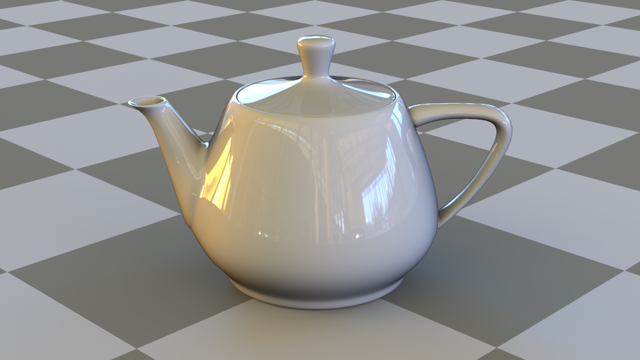
Teapot
Veach MIS